The Science of Surprise & Delight: How AR Gamification is Saving the Hong Kong Shopping Mall
- 3 days ago
- 5 min read
The Hong Kong shopping mall faces an existential threat. E-commerce delivers convenience, personalization, and instant gratification: all from the comfort of a couch. Meanwhile, physical retail offers what, exactly? Walking? Escalators? The privilege of carrying your own bags?
The malls that survive the next decade won't be the ones with better anchor tenants or shinier floors. They'll be the ones that crack the code of in-store dopamine delivery.
AR gamification isn't just a tech trend: it's a psychological weapon in the war against digital convenience. By transforming the shopping experience into a treasure hunt, forward-thinking retailers are discovering that the "surprise and delight" formula creates neurochemical rewards that no app notification can match.

The Dopamine Economy: Why Hunting Beats Scrolling
Human brains are wired for the hunt. For millennia, our ancestors survived by searching, discovering, and collecting. That neurological architecture doesn't disappear just because we've moved from savannas to shopping centers.
When a customer scrolls through an e-commerce site, they experience predictable, linear satisfaction. Click. Add to cart. Purchase. Done. It's efficient, but it's also forgettable.
The physical hunt operates differently. When someone searches for a hidden AR portal in a mall corridor, scans a product to unlock a secret reward, or completes a challenge to earn an exclusive discount, their brain releases dopamine: the same neurotransmitter associated with anticipation and reward-seeking behavior.
The power lies in unpredictability. Variable reward schedules: where you don't know exactly when or what you'll discover: create significantly stronger engagement than fixed rewards. This is why slot machines work, why social media scrolling becomes addictive, and why AR scavenger hunts in malls are proving devastatingly effective.
Key psychological triggers activated by AR gamification:
Anticipation: Not knowing what reward awaits at the next scan location
Agency: Customers control their discovery journey rather than being passive recipients
Achievement: Completing challenges creates a sense of accomplishment tied to the physical space
Social proof: Seeing others participate creates FOMO and competitive motivation
Narrative: Story-driven quests transform shopping from transaction to adventure
How K11 Musea Turned Christmas Into a Phenomenon
K11's "Gaudi Golden Christmas" campaign demonstrated the blueprint for surprise-driven retail transformation. Rather than deploying generic decorations or standard promotions, the mall invited customers to create personalized AR ornaments that appeared at specific GPS coordinates throughout the property.
The genius? You had to physically visit K11 to experience your creation: and to see the thousands of others.
This approach weaponized social dynamics. Customers didn't just shop; they contributed to a collective artwork that existed only in the physical space. The mall became a canvas, and visitors became both artists and audience.
The result? A record-breaking Christmas season and what K11 described as "a unique, must-visit shopping destination." Not "a nice place to shop." Not "conveniently located." A destination worth making a special trip for: the holy grail of physical retail.

Measurable Magic: The Mall Group's 327% Engagement Surge
Theory is interesting. Data is convincing. The Mall Group's deployment of AR treasure hunts and challenges across their APAC properties delivered numbers that reframe the conversation about physical retail's future.
The results:
31% increase in app session duration: Customers stayed engaged longer
327% surge in page views per session: Exploration replaced passive browsing
100%+ increase in overall engagements: Interaction became the default behavior
80% reward redemption rate: Digital discovery converted to physical transactions
That final metric deserves emphasis. An 80% redemption rate means AR gamification doesn't just create engagement theater: it drives actual purchasing behavior. The surprise becomes the bridge between discovery and transaction.
Equally valuable: strategically placed digital rewards drew customers to underutilized mall sections they had previously overlooked. Foot traffic became programmable. Customer flow became designable. Dead zones became treasure locations.
Traditional retail treats mall space as fixed geography. AR gamification treats it as reprogrammable real estate where value can be placed, moved, and optimized based on business objectives.
Beyond Entertainment: Why Museums and Heritage Sites Are Watching
Shopping malls aren't the only physical destinations fighting for relevance. Museums, heritage sites, art galleries, and cultural institutions face identical challenges: how do you make the physical visit irreplaceable in a digital age?
The answer emerging from retail's AR experiments applies directly to cultural spaces. The same psychological principles that turn shopping into a hunt can transform passive museum visits into active quests.
Imagine scanning a painting to unlock a hidden story. Discovering AR artifacts scattered throughout a heritage site. Completing challenges that teach historical context while delivering the dopamine hit of achievement.
SnapPop's technology demonstrates this convergence: transforming both shopping malls into gaming arcades and enabling retailers to deliver targeted content through product packaging. The same platform that makes a handbag scannable for promotions can make a museum exhibit scannable for deep educational content.
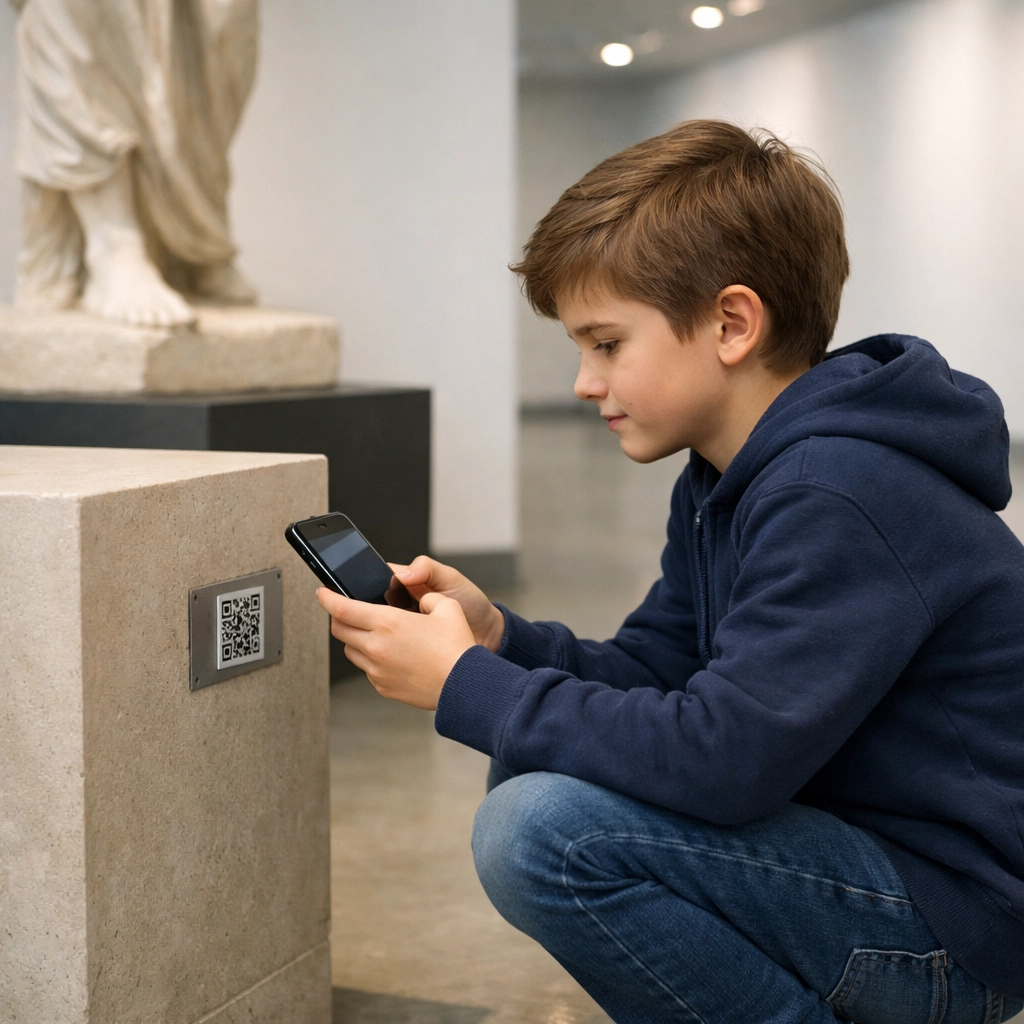
The difference? Museums aren't competing on price or convenience. They're competing on meaning, memory, and experience. AR gamification doesn't cheapen that mission: it amplifies it by wrapping educational content in the psychological reward systems that drive human engagement.
Government tourism boards are particularly well-positioned to deploy these strategies. When visitors hunt for AR portals at landmarks across Hong Kong, they're not just seeing more locations: they're building a relationship with the destination that generates stories, photos, and recommendations. They become advocates, not just tourists.
The Technology Powering Surprise at Scale
The infrastructure enabling this transformation isn't science fiction: it's production-ready AI and computer vision working through devices customers already carry.
Modern AR gamification platforms eliminate the friction that killed earlier attempts:
No special apps required: Camera-based object recognition works through mobile browsers
Zero hardware installation: Unlike beacons or NFC tags, AI-powered systems recognize physical objects and locations without infrastructure
Real-time adaptation: Challenges, rewards, and content can be modified instantly based on performance data
Personalization at scale: Different customer segments can experience different hunts in the same physical space
This matters because the surprise economy demands constant novelty. A treasure hunt that remains unchanged for months loses its psychological power. The winning platforms enable continuous content refresh without requiring physical infrastructure changes.
For institutions considering deployment, this means dramatically lower operational overhead and higher flexibility. The same gallery space can host different themed quests for school groups, tourists, and members: all running simultaneously with zero physical modifications.
The Competitive Landscape: A $64.6 Billion Future
The global AR retail market reached $19.9 billion in 2024 and projects 21.6% annual growth to $64.6 billion by 2030. That trajectory reflects not just technology adoption, but a fundamental shift in how physical space competes for attention.
Hong Kong's retail sector is actively adopting these capabilities across multiple properties:
Indoor navigation AR features that transform wayfinding into gameplay
Multiplayer challenges that create social dynamics within physical spaces
Interactive product experiences that turn packaging into portals
Location-based rewards that program customer movement and dwell time
The institutions that master surprise-driven engagement first will establish competitive moats. Once customers associate a specific mall, museum, or heritage site with reliably delightful discoveries, they develop habitual visitation patterns that competitors struggle to break.
This compounds over time. Every successful hunt creates memory formation. Every reward redemption builds positive association. Every social share expands reach. The surprise economy generates flywheel effects that traditional marketing cannot match.
The Future Starts in the Physical World
E-commerce will continue expanding. Digital experiences will grow more sophisticated. But the physical world retains one insurmountable advantage: it's real.
You can't truly hunt on a website. You can only click.
The malls, museums, and destinations that survive won't be the ones that resist digital transformation: they'll be the ones that weaponize it to amplify what only physical space can deliver: surprise, discovery, and the irreplaceable satisfaction of the hunt.
The technology exists. The psychology is proven. The question isn't whether AR gamification works: it's whether your institution will deploy it before your competitors establish the dopamine monopoly.
Ready to transform your space into an unforgettable destination? Discover how ORB Intelligence can architect surprise-driven engagement that turns visitors into advocates.
